
Steel is not one material. Between free-cutting steel and tool steel there is a factor of several in cycle time, and the grade on the drawing is usually chosen for strength, not for the lathe.
Read more

Buying machining inside the EU is not automatically cheaper per piece. It is shorter, more reversible and easier to audit — and after the last few years, buyers have started pricing that in.
Read more

The cheapest changes to a turned part are the ones made while the drawing is still open. Once it is released, the same change costs a re-approval — and by then nobody wants to hear about it.
Read more
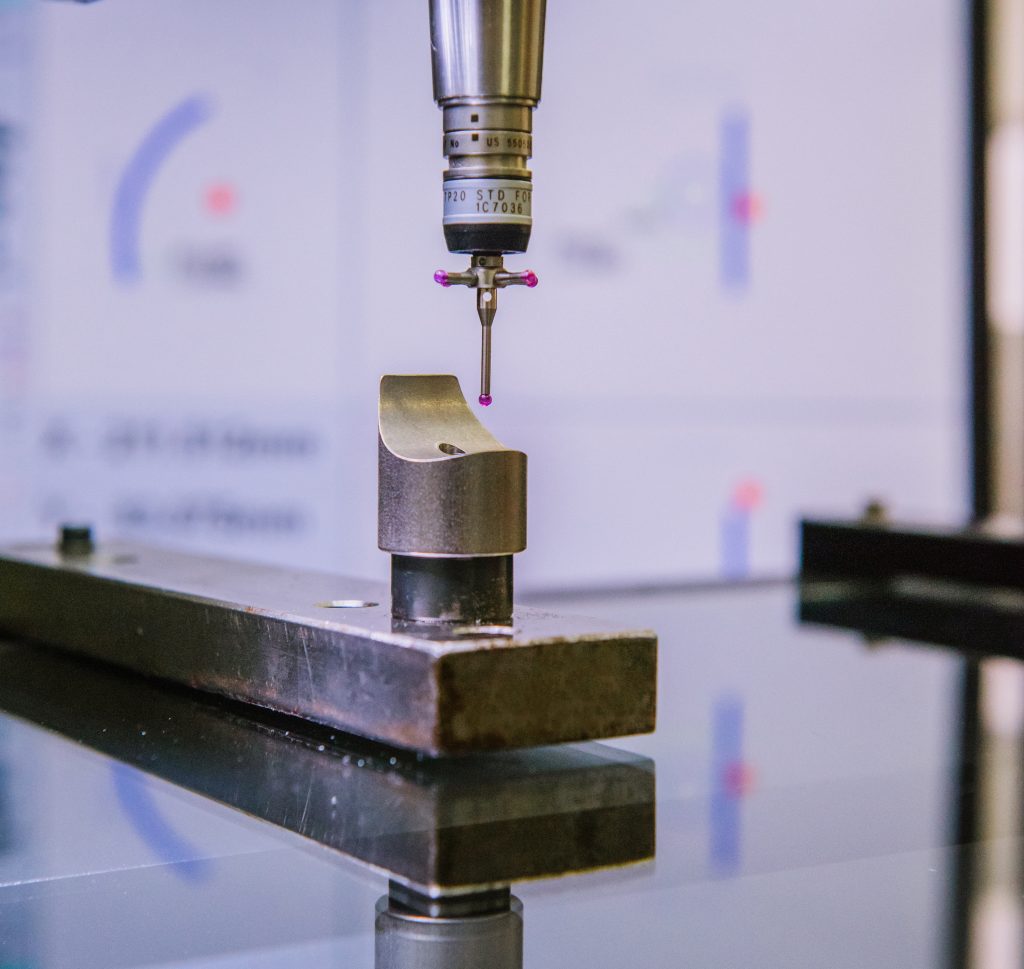
Inspecting the first part and the last one proves very little. What decides whether a batch is good is the plan that says which characteristic is checked, how often, with what, and what happens when it moves.
Read more
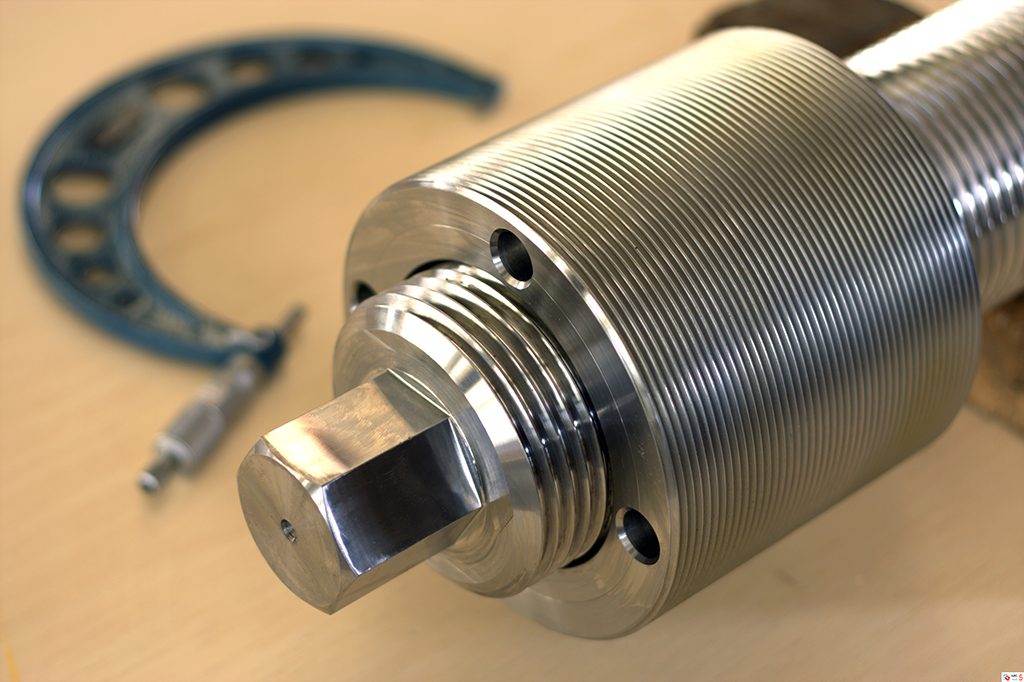
A rail vehicle runs for thirty years and has to be repairable for all of them. That single fact changes what a supplier of turned components has to promise, and it is not mainly about tolerances.
Read more
Two downturns taught us the same lesson twice: spread the customers, then spread the industries. What made the move possible was not new machines but the discipline the car industry had already forced on us.
Read more

An e-bike mid-drive is a gearbox, a motor and a torque sensor in a housing the size of a fist. The turned parts inside it are small, highly loaded and made in numbers that look like automotive.
Read more
Cross holes, flats, slots and hexagons no longer need a second machine. Doing them while the part is still in the first clamping removes a cost and an error at the same time.
Read more
Aluminium machines two or three times faster than steel and weighs a third as much. It also builds up on the tool, throws long chips and moves with temperature. Knowing that is the whole difference.
Read more
Plating, phosphating, hardening, nitriding, passivation. Most turned parts leave the lathe unfinished, and the treatment that follows decides how long they last.
Read more

Every machine shop calls itself precise. The word only becomes useful when you ask three questions: how tight, measured how, and proven over how many parts.
Read more
Brass cuts fast, breaks its chip cleanly, finishes beautifully and is gentle on tools. It is also the most expensive bar on the rack. Knowing when it pays for itself is most of the job.
Read more

In automotive, the part is the easy half. The documentation, the capability evidence and the ability to hold both for seven years are what separate a supplier who wins the tender from one who only quotes it.
Read more
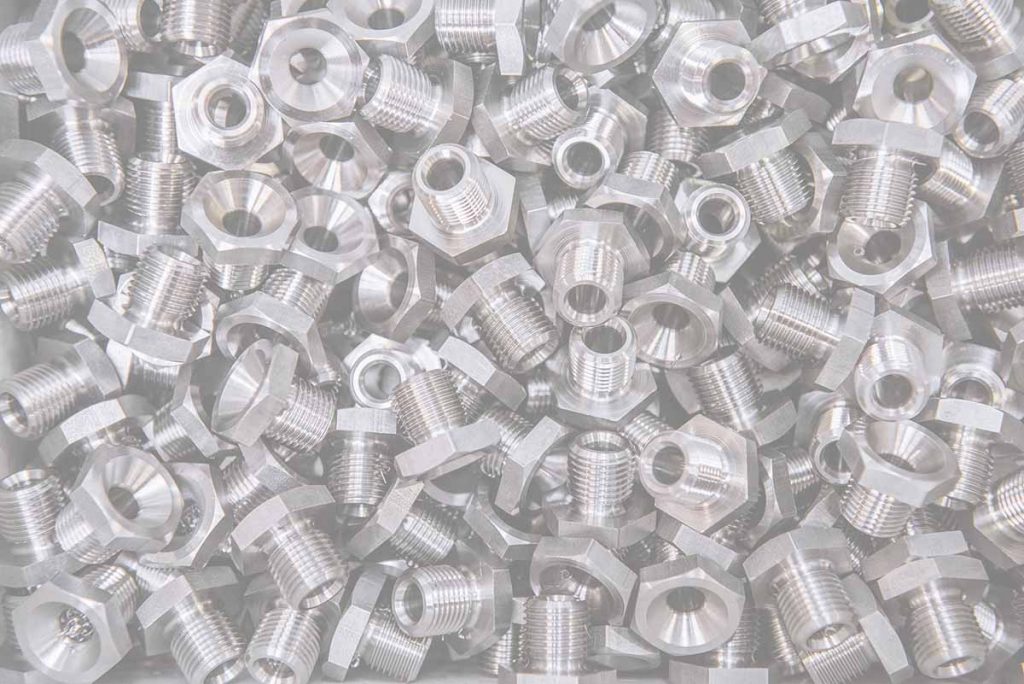
Almost every fitting in a hydraulic, pneumatic or plumbing assembly is a turned part. The geometry — round, threaded at both ends, hollow, with a hex in the middle — is what a lathe does better than anything else.
Read more

A hydraulic component fails in ways a bracket never does. Pressure, sealing surfaces and a single loose chip decide whether the part works — and all three are settled on the lathe, not in assembly.
Read more
IATF 16949 is the automotive industry's quality standard. It is not a badge you buy — it is a three-year audit cycle that decides whether a supplier may quote at all. Here is what it asks for and what it took us to get it.
Read more
