
News
From automotive into other industries: what transfers, and what does not
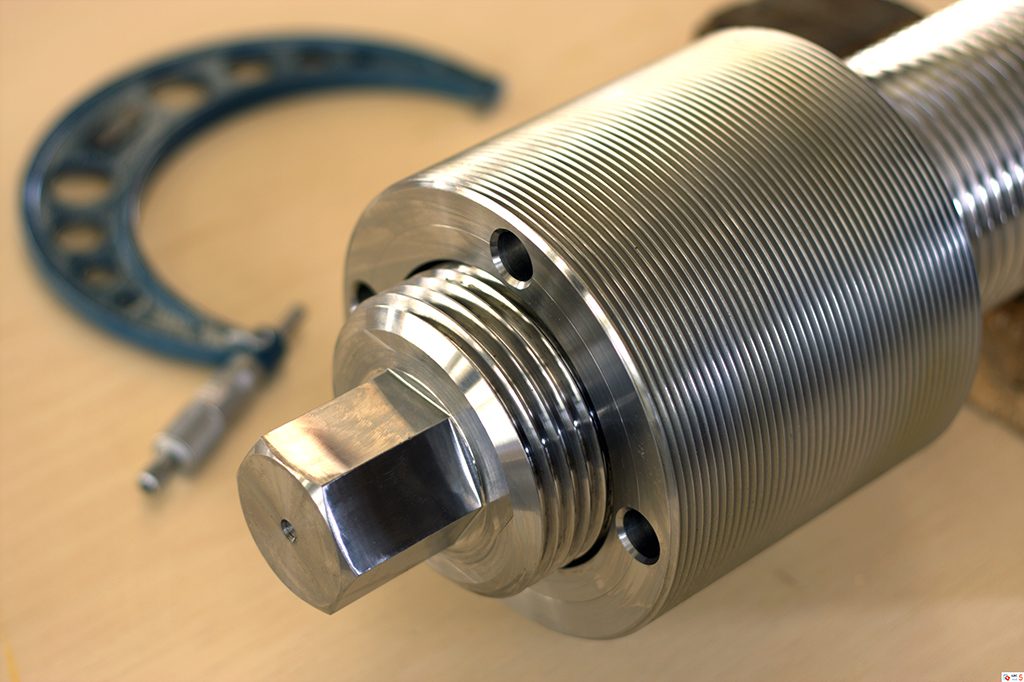
Two downturns taught us the same lesson twice: spread the customers, then spread the industries. What made the move possible was not new machines but the discipline the car industry had already forced on us.
For years the automotive industry was the centre of gravity here. It still matters, but it is no longer the only thing holding the plant up. That change was deliberate, and it was learned the hard way — twice.
Two lessons, eleven years apart
The 2009 crisis taught us that a supplier with a handful of customers in one industry is not a business, it is a bet. The answer then was to spread the customers. The 2020 shutdown taught the second half of the lesson: spreading customers is not enough if they all sit in the same industry. When European car production stopped, it stopped for all of them at once.
Since then we have moved deliberately into white goods, the electrical industry, machine building and construction — alongside hydraulics, pneumatics and, more recently, e-bike drive units.
Why the move was possible
Not because we bought different machines. A turned part is a turned part. What made it possible was that the car industry had already forced a way of working on us:
- a process FMEA and a control plan for every part, not for the important ones
- capability evidence before the first series, not after the first complaint
- traceability from the mill certificate of the bar to the box on the pallet
- a defined reaction when a characteristic starts to drift
- an 8D discipline that finds the cause instead of sorting the symptom
Other industries rarely demand that package in full. They do, however, benefit from it entirely. A machine builder who has never heard of PPAP still notices that the tenth delivery is identical to the first.
What does not transfer
Three things caught us out and are worth saying plainly. Documentation expectations are different — sending an automotive-sized PPAP file to a white goods customer helps nobody. Packaging norms are different; the automotive standard is not automatically right elsewhere. And call-off behaviour is different: a machine builder orders in batches when a project lands, not on a rolling annual schedule, which changes how material and capacity are planned.
What we actually make
Shafts for electric motors and drive assemblies, gears, sensor housings, connectors, components for alternators and starters, screws, nuts, bushings and fittings. Between twenty and thirty million components a year, in diameters from Ø 2 to Ø 52 mm.
Anything that turns, and every mechanical assembly that moves, contains rotationally symmetric turned components — and they are getting more complex, not less. That is the part of the market we are built for. More on how we work.