
News
Surface treatment of turned parts: what to specify, and when
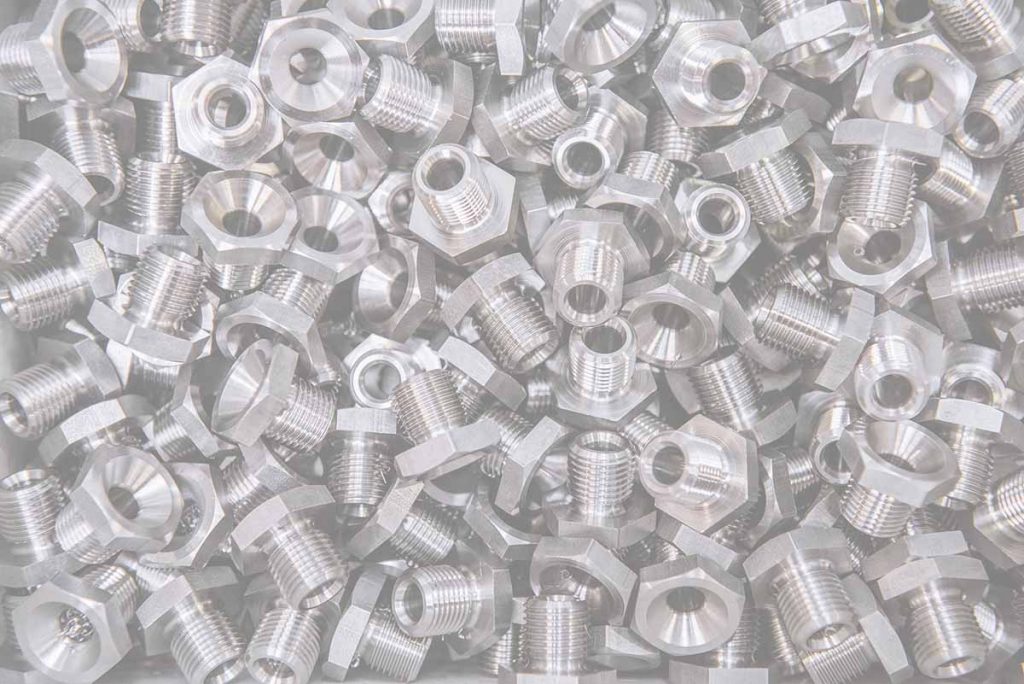
Plating, phosphating, hardening, nitriding, passivation. Most turned parts leave the lathe unfinished, and the treatment that follows decides how long they last.
A turned part is rarely finished when it comes off the machine. What happens afterwards decides whether it corrodes in two years or twenty, whether the thread galls on assembly, and whether the wear surface survives its duty cycle. We coordinate that step through a network of qualified suppliers, so the customer receives one finished, inspected part and deals with one company.
Coatings
- Zinc — the default corrosion protection for steel. Cheap, well understood, adequate indoors and in most vehicle interiors.
- Zinc-nickel — several times the salt spray life of zinc. The automotive choice where a part sees road salt.
- Nickel — harder, more decorative, better in contact with other metals.
- Tin and copper — for electrical contact and solderability.
- Zinc phosphating — a conversion layer that carries oil and eases cold forming or assembly.
Heat treatment
Case hardening and tempering where the core must stay tough and the surface hard. Nitriding and nitrocarburising where a thin, very hard skin is enough and distortion must stay small. Carburising and carbonitriding for wear. Annealing where machining has left the material stressed.
Two things worth knowing before you specify
Hydrogen embrittlement. Electroplating a hardened steel part can drive hydrogen into it, and a high-strength part can then crack days later under load. The remedy is a baking step within hours of plating — routine, but only if the drawing or the order says so.
Passivation is not a coating. On stainless it removes free iron and restores the natural oxide layer. It changes nothing you can see, which is why it is often left off a drawing and then missed when the part rusts.
Grinding, ultrasonic washing and technical cleanliness are handled the same way. See finishing on products.